The gate is 40 minutes from the house and it is the one that matters — it is where the herd gets out. Before the camera, checking it meant a drive, a walk and a guess. Now it means a phone.
The problem with a gate you have to drive to
Not the driving. The guessing. A gate that was closed on Tuesday and open on Friday tells you nothing about which day, which animal, or whether it was a person. A camera on the post turns a state into an event, and an event has a time on it.
What it sees
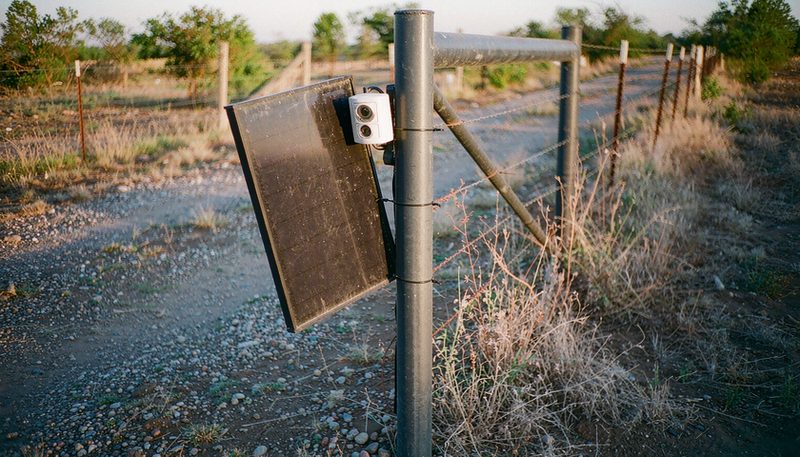
A cellular trail camera on the hinge post, aimed along the gate rather than at it. Angled along the gate, a crossing reads as a body moving through the frame; aimed straight at it, every crossing is a silhouette against whatever is behind, and half of them are unusable at night.
Detection zone set narrow, sensitivity one step down from default. That cut the event count without cutting any real crossings.
240 events a week. Eleven of them worth keeping. The other 229 were grass, heat shimmer and one very persistent branch.
Sorting 240 down to 11
Two settings did most of the work. The first was the detection zone — a rectangle that covers the gate opening and nothing else. The second was the upload schedule: thumbnails during the day, full images only on a second trigger. On a metered SIM that is the difference between a useful camera and a bill.
The 11 that mattered were all between 22:00 and 04:00. Which is the argument for night IR being sized properly rather than treated as a bonus.
The panel that keeps up
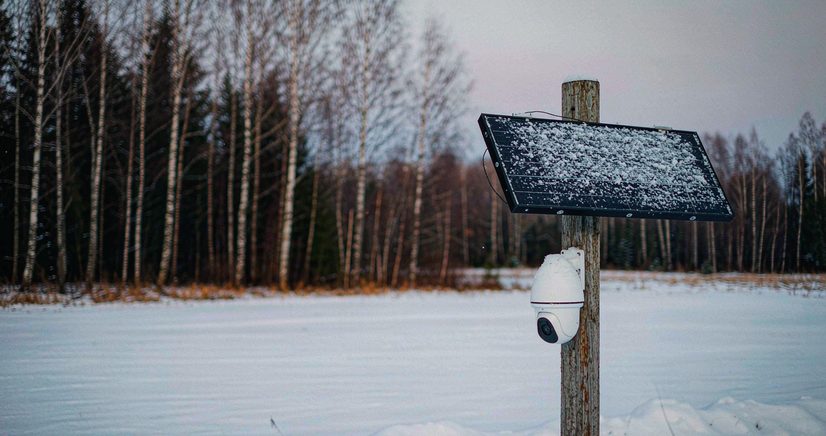
Two panels on this install: a 20W on the gate post running the camera, and a 5W on the energiser. Both face the same direction, because the fence runs north–south and there was no second choice.
The camera’s own battery sits at 85–100% year-round, including August, when the panel surface reads hot enough to be uncomfortable to touch. Output drops in heat — that is normal and the sizing already accounted for it.
What we would do differently
Mount the panel higher. The first version sat at gate height and collected dust from every passing vehicle; at 2.4 m it stays clean for a month instead of a week. And use one SIM per site rather than per camera — the data plan, not the hardware, is what gets expensive across a dozen gates.
If you are putting a camera on a fence line, the 20W kit is what this install uses; the fence chargers themselves are on the fence charger page.