Trail cameras are sold on megapixels and detection range. Neither number tells you what panel to buy. The number that does is the average current the camera pulls over 24 hours, and almost no manufacturer prints it — so here is how to get it, and what the answer usually is.
Start with the battery, not the panel
A panel does not power a camera. It refills a battery, and the battery powers the camera. That order matters: if the battery is small, a bigger panel just reaches full charge sooner and then has nothing to do. If the battery is large, a modest panel can keep it topped up through a week of cloud.
The useful question is not “how many watts” but “how many watt-hours does the camera spend in a day, and how many does the panel deliver in the worst month”.
The draw curve nobody prints
Three states, three very different numbers:
- Idle / standby. Tens of milliamps. This is the number on the box, and it is the least interesting one.
- Night capture. Infrared illumination is the single biggest line item. Twenty clips a night with IR on can cost more than a full day of standby.
- Cellular uplink. On a cellular camera, sending a photo costs more than taking it. Signal strength matters more than file size — a camera in a marginal spot re-transmits.
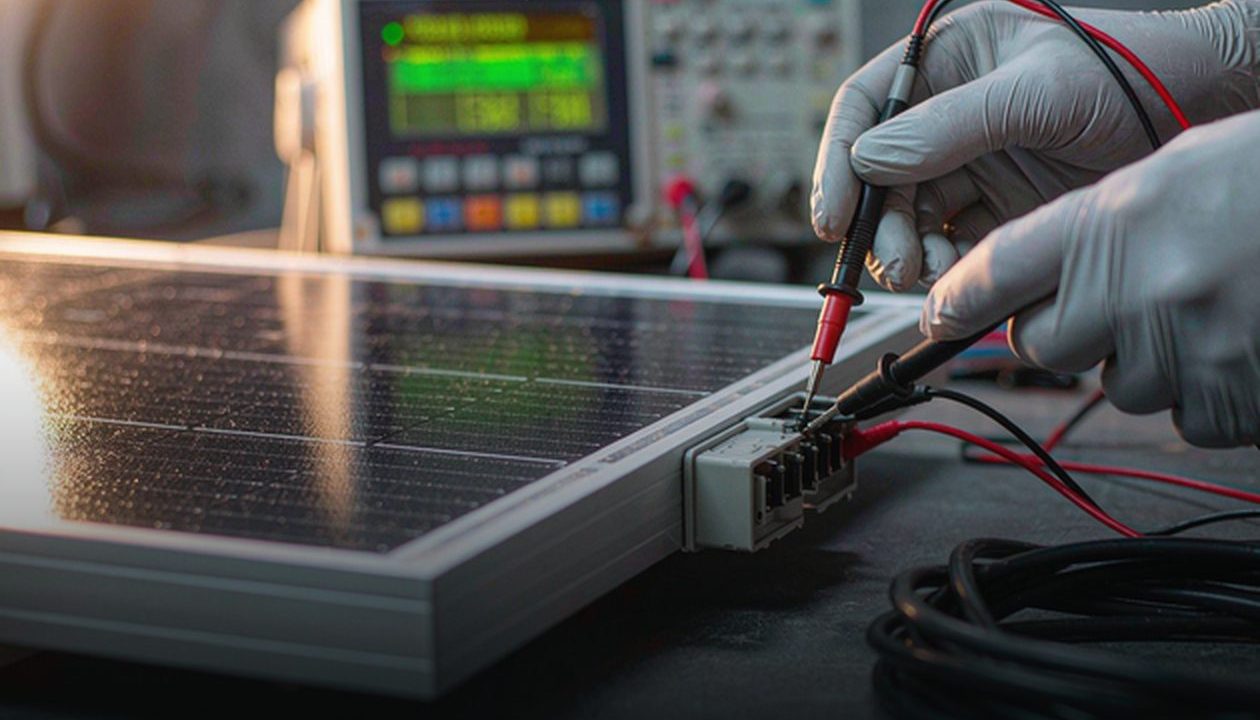
Bench numbers from a 4G trail camera we use for testing, at 20 °C: idle sits in the low tens of milliamps; a night clip with IR runs for a few seconds at several hundred milliamps; a photo upload over a weak signal can be a multi-second burst at over 200 mA.
Sizing, in practice
Rough starting points for a temperate climate, assuming the panel gets real sun for four hours:
- 2W — a camera that wakes a few times a day, no cellular, no IR at night. Marginal in winter; treat it as a top-up.
- 5W — a busy non-cellular camera with night IR. Comfortable from March to October, tight in December.
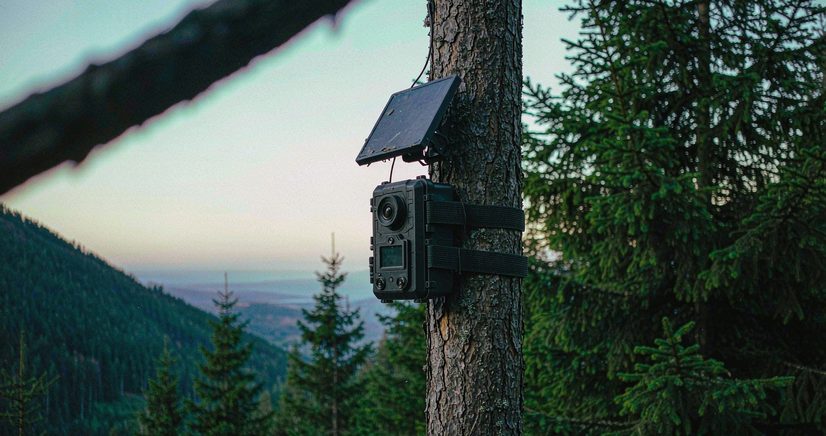
- 10W — the default answer for a cellular camera sending photos year-round.
- 20W — cellular, heavy IR, long winter, or a panel that will be shaded part of the day.
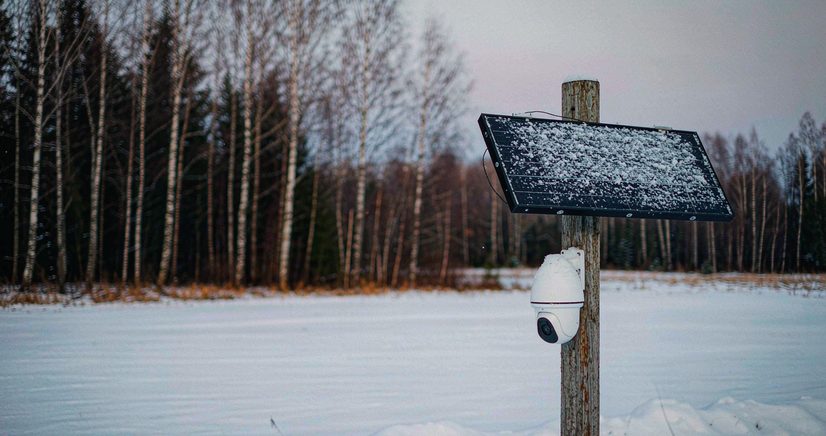
Then apply the corrections: add a step if the camera is north of about 45°, add a step if the panel will see less than four hours of unshaded sun, and do not subtract a step because the summer numbers looked fine.
When a bigger panel is the wrong answer
Three cases. A panel that is too large for the battery’s charge controller can sit at its voltage limit all afternoon doing nothing useful. A panel mounted flat, or under a branch that shades a third of its face, delivers a fraction of its rating and no amount of extra watts fixes the geometry. And a camera whose battery is already failing will drain a bigger panel exactly as fast.
A 10W panel in the right place beats a 40W panel in the wrong one, every month of the year.
A two-minute test
Charge the battery to full, disable the cellular uplink, and let the camera run for 48 hours with normal motion. Note the drop in percent. Divide by two for a daily figure, then compare it to what your panel delivers on a cloudy December day — most people find the gap is much wider than expected, and that the uplink was the expensive part.
If you would rather not do the arithmetic, tell us the camera model, how many clips a night, and whether it uploads — that is enough to size it. The panels themselves are on the range page, and the 20W kit is the one we send to cellular installs that run through winter.