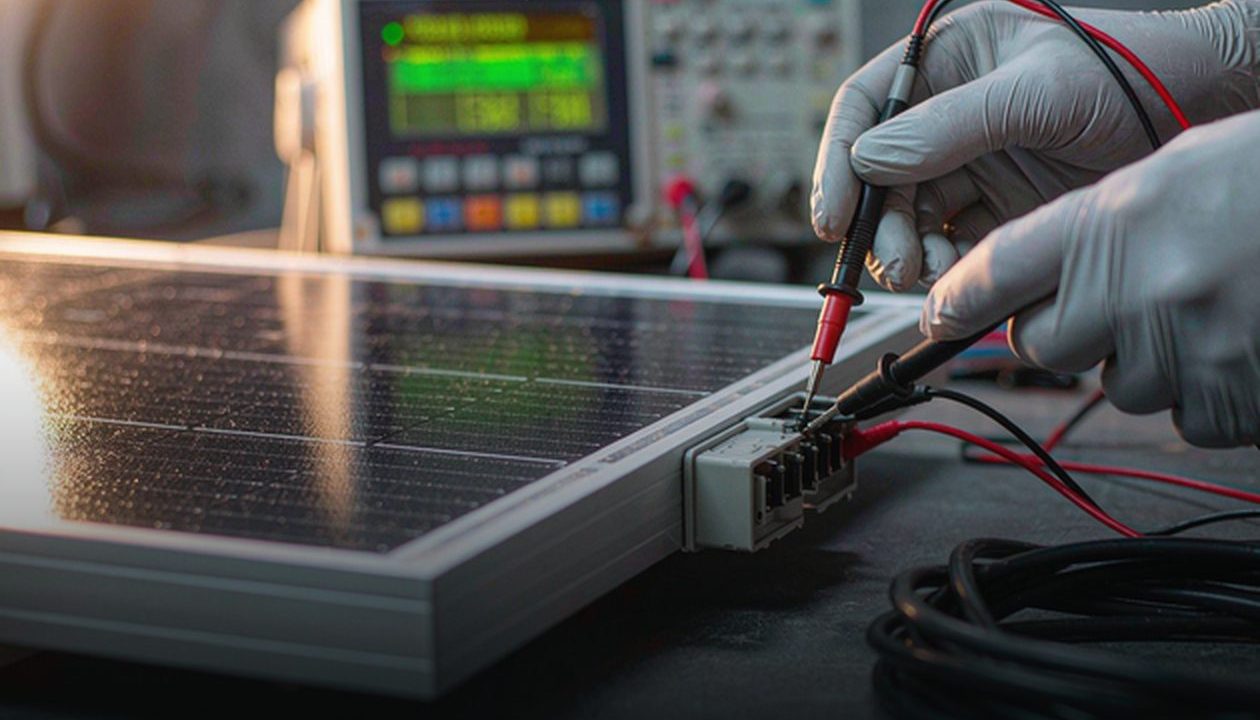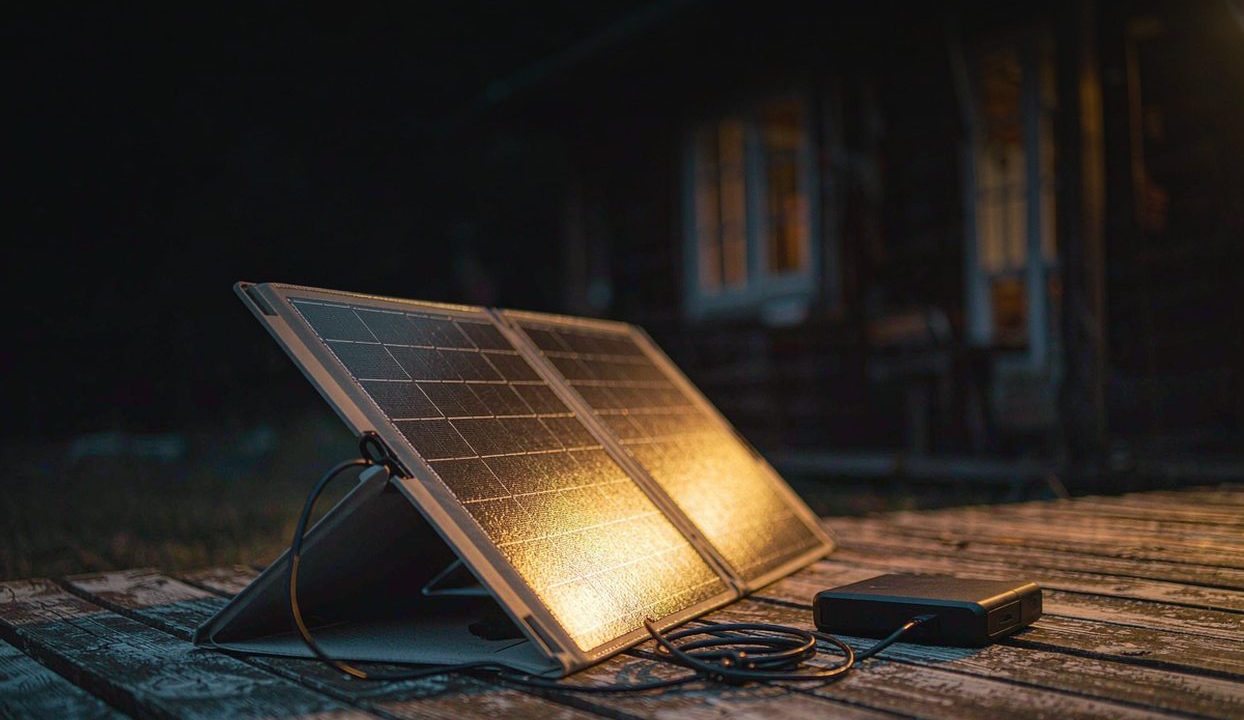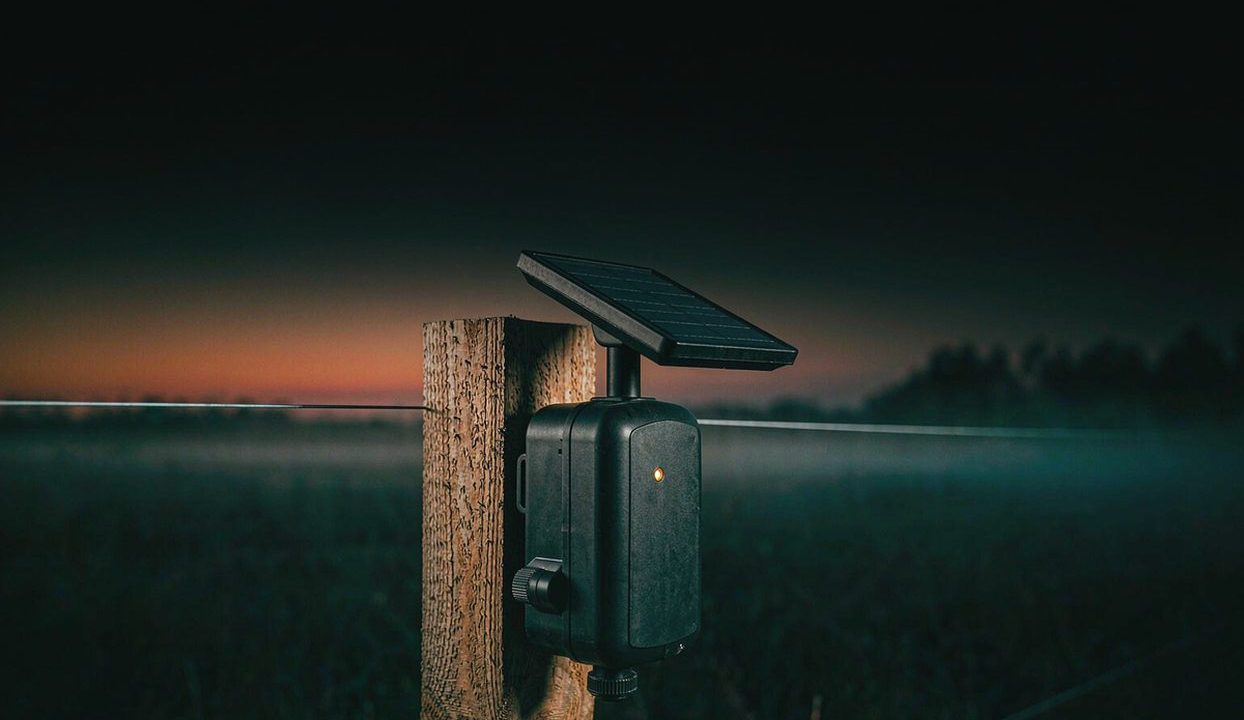
Twenty watts is not a promise about December. It is a measurement taken at 25 °C, under 1000 W/m², at a sun angle much of Europe and northern China never sees between November and February. Used as a planning number in winter it is wrong by a factor of three or four.
The conversion is short enough to do on the back of a box:
watt-hours per day = watts × peak sun hours × 0.7
Peak sun hours are not daylight hours
A December day at 50° north has eight hours of daylight and about one hour of “peak sun” — the equivalent number of hours at 1000 W/m². The sun rises low, crosses a short arc and sets early; most of the day delivers a fraction of the panel’s rating. Southern Spain gets around 2.5 peak sun hours in December, southern England about 0.7, and Shenzhen around 2.6. The same panel, three different winters.
What the 0.7 is
- Angle of incidence. A panel 15° off the sun’s best angle for the season loses a few per cent; a flat panel under a low winter sun loses far more.
- Temperature. Cold helps silicon — a panel at −5 °C makes slightly more than its nameplate. A panel at 55 °C in July makes noticeably less, roughly 0.35% per degree above 25 °C.
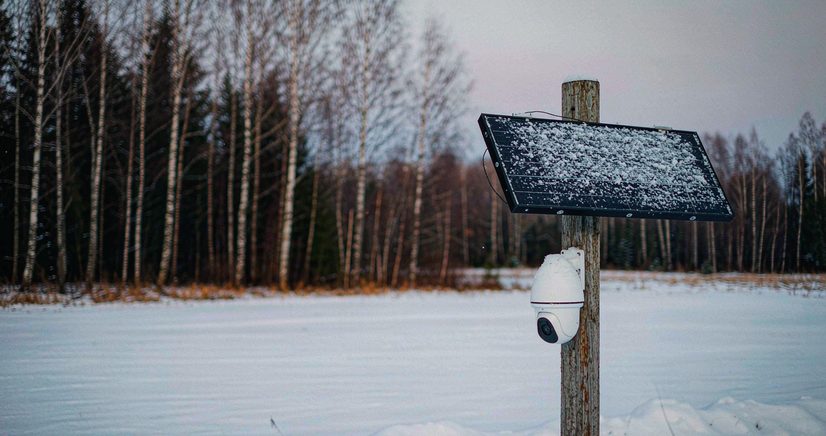
- Soiling and snow. A dusty panel in a dry summer gives up about 5%. A panel with snow on the bottom row gives up a lot more than that.
- Wiring and controller. Cable losses plus the controller’s own consumption, which is why the run matters as much as the panel.
The arithmetic, worked
A 20 W panel in a place with 1.2 peak sun hours in December: 20 × 1.2 × 0.7 = 16.8 Wh a day. A camera drawing 1.5 W continuously needs 36 Wh a day. The panel covers less than half of it, and that is the whole winter problem in one line.
Now run the same panel in June at 5.5 peak sun hours: 77 Wh. The panel did not change. The month did.
Turn it around, which is how the number should be used: watts = daily Wh ÷ (peak sun hours × 0.7). For 36 Wh a day in that December, the panel needs to be 43 W. That is the number to buy, and it is the number the nameplate will not tell you.
Tilt, in one sentence
For winter, set the panel 15° steeper than your latitude — a steeper face squares up to a low sun and lets snow slide off by itself, which in December is worth more than the summer output it costs.
What to do with the number
Size the panel for the worst month and let June throw power away. An oversized panel in summer is cheap insurance; an undersized one in December is a camera that goes dark in the week you most want it, and no amount of app notifications will fix a battery that never got charged.